About Anna
Annaliese Klein, B.S., M.A.O.M., L.M.T, A.P., Dipl. O.M. (NCCAOM), C.H. (certified human in case you were wondering about that last one)
Both my grandmothers were named Anna, and I've followed their footsteps, finding joy in plants, cooking, nature, animals, and nurturing life. I was blessed to have found my calling early. As a child I remember spending all day in the back yard collecting leaves, soil, and flowers to make soup for my dolls and furry friends. My first bodywork client was my grandmother, who paid me a dollar whenever I "put lotion on her feet." Not much has changed since then.
Growing up in Greensboro North Carolina, I was lucky enough to spend my childhood primarily outdoors developing a deep connection with the natural world. It is this connection that shaped and continues to shape my growth and relationship with healing.
After receiving my first professional massage at age 12, I knew instantly that I would pursue bodywork as a career. I graduated from the School of Applied Kinesthetic studies in Northern Virgina in 2000 after completing an internship in sports massage at the Kiroff Ballet school in Washington, D.C. I spent the next 10 years working at resort spas including the Grove Park Inn in Asheville North Carolina and The Ritz-Carlton in Naples Florida while finishing my education.
I graduated in 2008 from FGCU with a degree in Biology and Chemistry. As a pre-medical student, I was able to participate in an undergraduate research project investigating the molecular genetics of flowering in Melaleuca quinquenervia, or paperbark tree. My love of plants turned into a fascination with ethnobotany and plant medicine, which drew me toward Chinese and Western Herbalism.
In 2014, I graduated from Daoist Traditions College of Chinese Medical Arts in Asheville North Carolina. There I had the benefit of learning from the plants “in person”; many species having been cultivated by students and staff in and around the campus. I completed my clinical internship in Asheville with special interest in geriatric and end of life care.
Most recently, I have also begun to offer grief centered care. This evolved out of my own experiences with grief and the recognition of its profound capacity to catalyze healing in and of itself when simply tended rather than avoided. Several people have been particularly instrumental in reframing my understanding of grief. Martin Prechtel and his book "The Smell of Rain on Dust" was a revelation to read. I also had the great fortune of attending grief rituals and grief tender training led by Josh Fox in North Carolina who is pioneering community centered events where grief is welcomed and normalized.
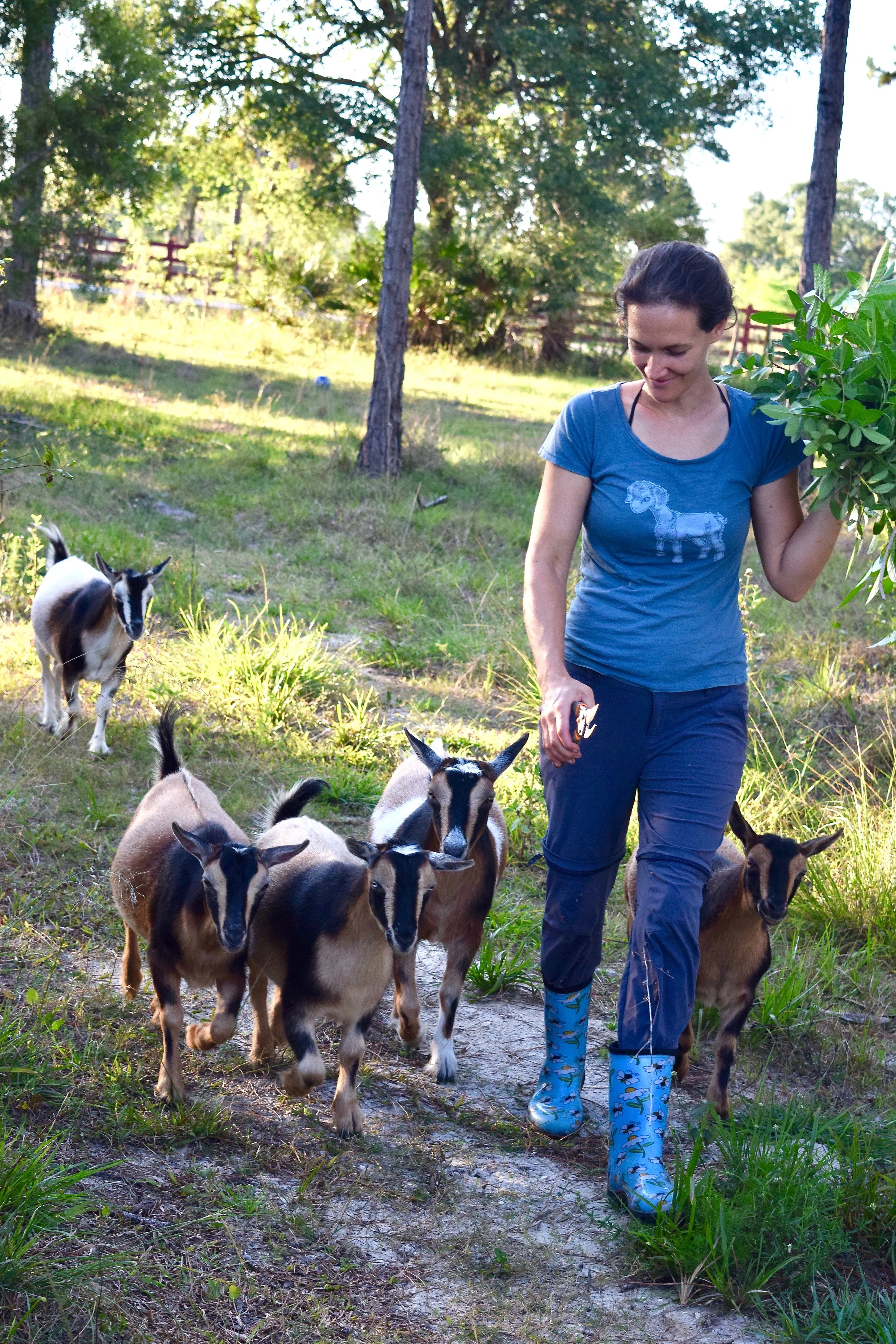
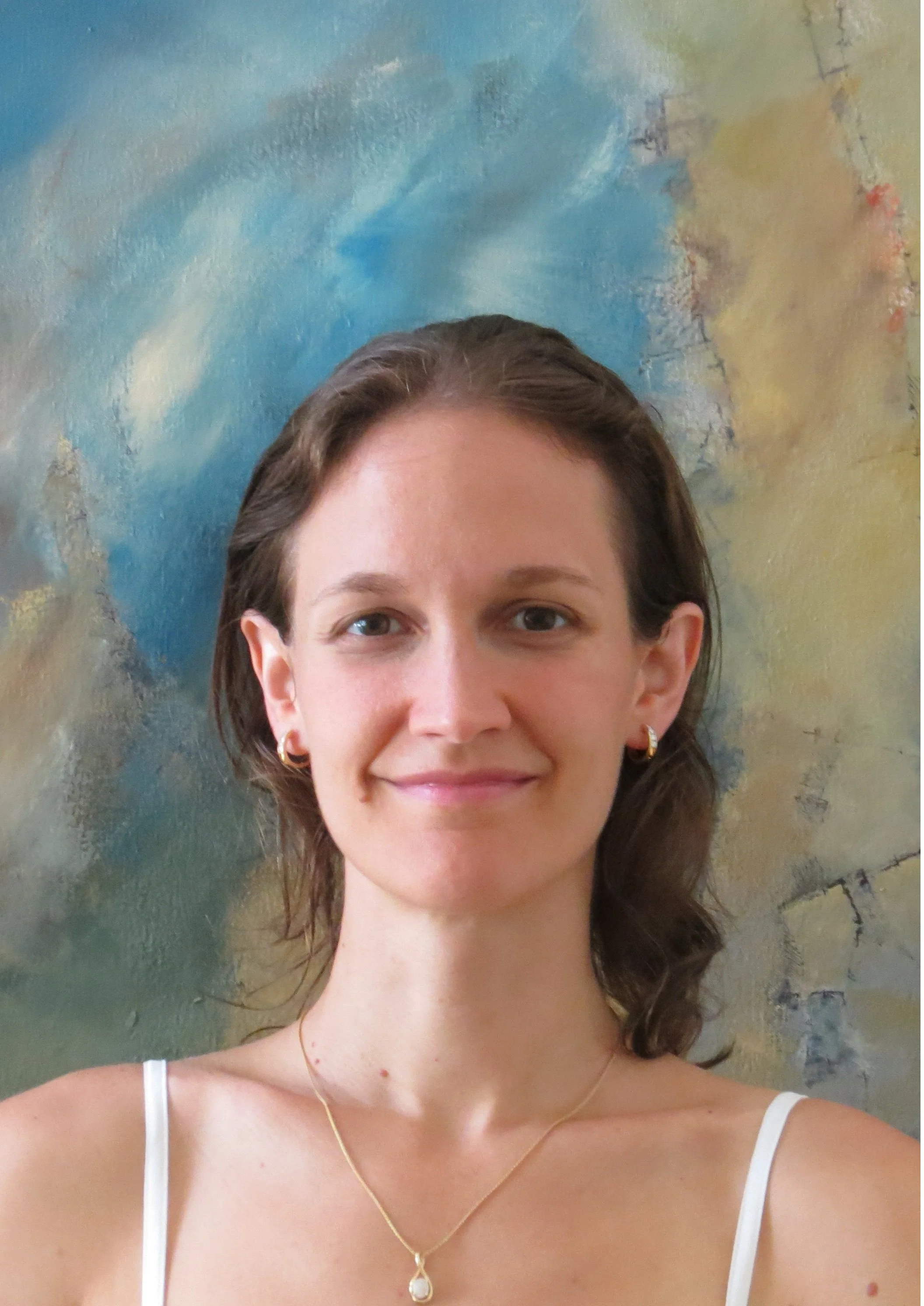
Having just reached the milestone of 25 years in practice, I feel incredible gratitude for all of the people, plants, animals and experiences I have had the benefit of learning from along the way.
In particular, I have always found it interesting that we seldom relate with our experience of health until we feel sick. As such, health is often discussed in the context of what is not working or what is “broken,” and healthcare becomes a means for correction and a conversation about how to restore what is missing.
We lose sight of the innate integrity of the body and of the individual psyche, and its place in a much larger web of relationships, and it is my feeling that this myopia is what largely limits our potential for healing. Because each person has a unique sense of purpose that changes with time, and because health supports our ability to engage with that purpose, the definition of health cannot be static or uniform. It also cannot be supported in isolation.
My goal moving forward is to provide a safe place where patients can explore new ways of caring for themselves and nurturing the relationships that support their life and health. Because when we heal in relationship, we support the health of other humans, plants ecosystems, and animals. I never get tired of watching the creative and spontaneous forms that healing takes when we simply get out of the way. It is humbling to recognize that the sentinel moments of healing and integration for patients most often happen outside the treatment room and the constraints of all of our plans and intentions. Big medicine does not have to be complicated or expensive; it is abundant in the smallness of our everyday experience.
I see my role as simply working to facilitate life, not because life is broken, but because it is sacred.